Hytale Zones Explained: Complete Guide to Orbis Regions & Progression (2026)

Introduction
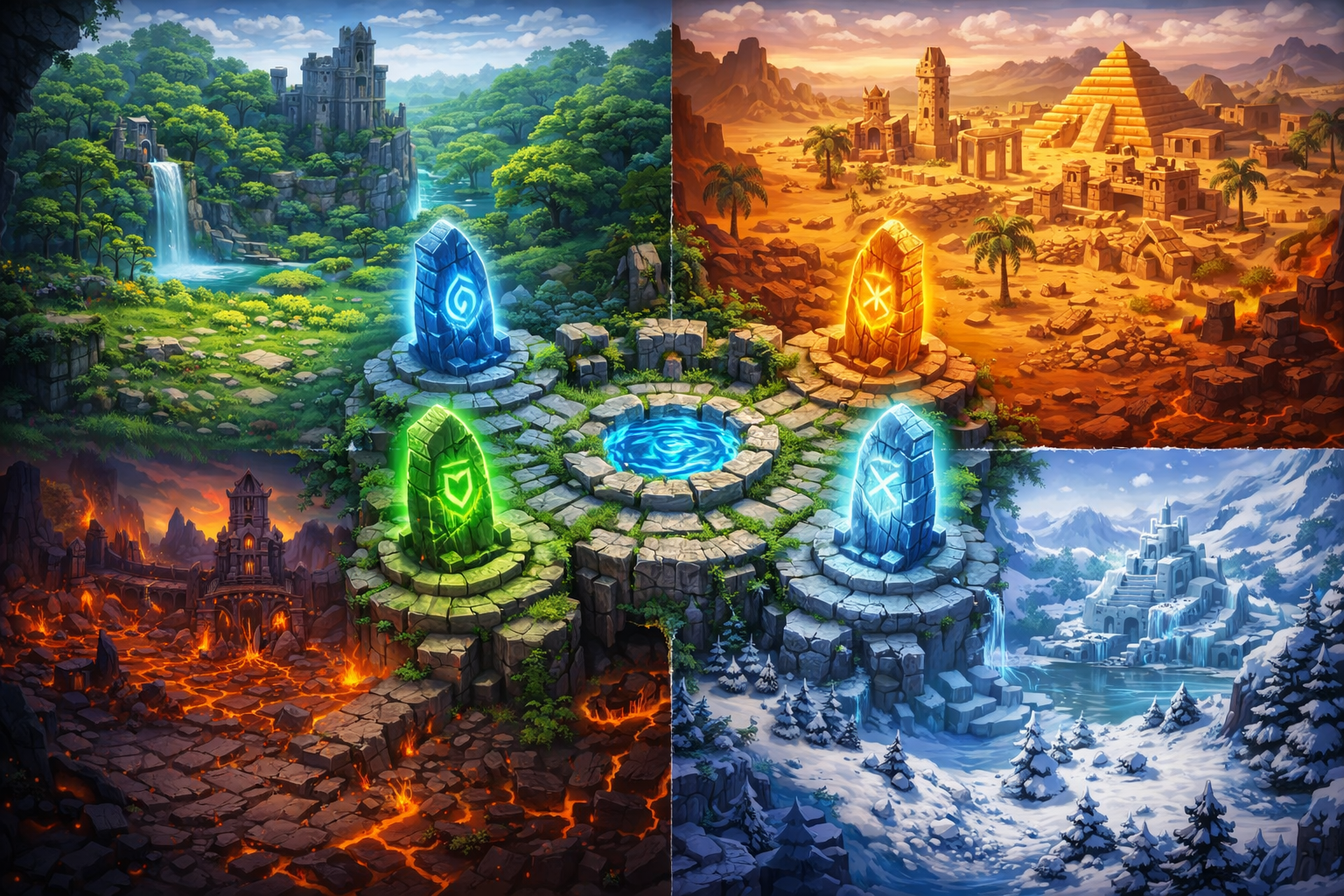
Hytale zones define how the game’s world is structured, explored, and progressed. Instead of relying on isolated biomes, Hytale organizes its main continent, Orbis, into massive elemental regions called zones. Each zone introduces unique environments, creatures, factions, and survival challenges that directly shape gameplay and narrative progression. Understanding how Hytale zones work is essential for efficient exploration, gear planning, and long-term survival. This guide explains what zones are, how they differ from biomes, which zones are confirmed, how difficulty scales between them, and how zones connect to Hytale’s story, combat systems, and world generation. By the end, you’ll have a clear, practical understanding of how to navigate Orbis effectively.
Quick Summary Box
- Hytale zones are large elemental regions that group multiple biomes together
- Orbis contains six total zones, with four officially revealed
- Zones control difficulty, factions, creatures, and progression pacing
- Each zone is tied to a core element that influences lore and gameplay
- Zone progression rewards preparation, exploration, and mastery of systems
What Are Hytale Zones?
Hytale zones are the highest-level structure used in world generation. A zone spans thousands of blocks and defines a region’s elemental theme, biome selection, creatures, structures, and difficulty.
Zone Definition
A zone is not a single environment. Instead, it is a curated ecosystem made up of multiple related biomes that share visual identity, climate behavior, and gameplay intent.
Each zone includes:
- A biome pool and terrain rules
- Zone-specific wildlife and enemies
- Faction territories and settlements
- Unique structures, ruins, and dungeons
- Difficulty ranges tied to progression
How Zones Differ from Biomes
Biomes control local terrain features such as forests, deserts, or mountains. Zones group several biomes into a unified regional experience.
For example:
- One zone may include forests, plains, caves, and swamps
- Another may combine deserts, savannas, and oases
Zones define the “where” and “why,” while biomes define the “how.”
Elemental Affinity System
Each zone aligns with one of Hytale’s elemental forces. This affects atmosphere, magic, factions, and story progression.
| Zone | Element | Core Theme |
|---|---|---|
| Zone 1 | Earth | Growth, stability, life |
| Zone 2 | Wind | Freedom, movement, endurance |
| Zone 3 | Water | Cold, survival, isolation |
| Zone 4 | Fire | Destruction, danger, depth |
| Zone 5 | Lightning | Speed, elevation, storms |
| Zone 6 | Void | Corruption, darkness, endgame |
Zone 1: Emerald Grove
Emerald Grove is the starting zone and the most beginner-friendly region on Orbis.
Overview and Atmosphere
This zone features temperate landscapes with abundant resources, making it ideal for learning combat, crafting, and survival systems.
Key traits include:
- Stable terrain and mild weather
- High biodiversity
- Balanced enemy encounters
Biomes in Emerald Grove
- Plains for farming and base building
- Forests and autumn forests for wood and hunting
- Cherry blossom groves for visual variety
- Snowy mountains at higher elevations
- Swamps with fog and ambush threats
- Extensive cave systems
Creatures and Factions
Emerald Grove hosts diverse wildlife and early enemies.
- Passive animals such as deer, rabbits, and birds
- Neutral creatures like territorial bears
- Hostile enemies including spiders, skeletons, and swamp undead
The zone’s friendly faction consists of plant-based villagers, while organized hostile tribes patrol forests and ruins.
Zone 2: Howling Sands
Howling Sands introduces harsh environmental pressure and resource scarcity.
Overview and Atmosphere
This arid zone emphasizes survival through preparation. Heat exposure, limited water, and open terrain make encounters more dangerous.
Biomes in Howling Sands
- Vast deserts with ancient ruins
- Savannas supporting large wildlife
- Oases serving as vital rest points
- Sand-filled underground cave networks
Creatures and Factions
Wildlife adapts to heat and open spaces.
- Antelopes, camels, and reptiles
- Predators such as hyenas and large cats
- Undead and bandit enemies guarding ruins
Nomadic traders operate here, while insect-like hive enemies dominate hostile territory using swarm tactics.
Zone 3: Borea
Borea represents a major difficulty spike due to environmental threats.
Overview and Atmosphere
This frozen region challenges players with cold exposure, blizzards, and limited visibility.
Biomes in Borea
- Snowy plains and forests
- Pine-covered taiga
- Jagged mountains
- Ice caves with glowing flora
- Transitional moorlands
Creatures and Factions
Cold-adapted wildlife includes:
- Large herbivores such as bison and moose
- Predators like wolves, polar bears, and owls
- Powerful hostile creatures including yetis and ice-based monsters
Peaceful nature spirits contrast with hostile dark-magic factions that control ruins and strongholds.
Zone 4: Devastated Lands
The Devastated Lands are the most complex and dangerous zone revealed so far.
Overview and Atmosphere
This fire-aligned region combines volcanic surface hazards with deep underground progression.
Surface Biomes
- Lava fields and volcanic plains
- Ash-covered wastelands
- Charred forests
Vertical Progression System
Zone 4 increases difficulty by depth rather than distance.
- Surface level: extreme heat and hazards
- Upper caves: lava flows and fire creatures
- Transitional caves: vegetation and moisture return
- Deep layer: a prehistoric jungle ecosystem
Creatures and Factions
- Fire-aligned enemies and massive predators
- Ancient reptiles and dinosaurs in deep zones
- Peaceful underground civilizations contrasted by aggressive surface forces
Zones 5 and 6: Unannounced Regions
Two zones remain unrevealed but referenced internally.
Zone 5: Skylands (Speculated)
- Lightning-aligned
- Floating islands and vertical traversal
- Storm-based weather and aerial creatures
Zone 6: Void Zone (Speculated)
- Void-aligned corruption
- Endgame difficulty
- Possible portal-based access
- Heavy narrative ties to the main antagonist
These zones are expected in later content updates.
Zone Progression and Difficulty Scaling
Hytale zones increase difficulty gradually rather than abruptly.
How Difficulty Scales
- Terrain becomes more complex
- Resources become scarcer
- Enemies gain improved AI and group tactics
- Environmental hazards intensify
Zone 1 supports beginners, Zones 2–3 test preparation, and Zone 4 demands mastery.
Exploration Freedom
Zones are not locked in a strict order. Geography allows exploration in multiple directions, but gear and preparation determine survivability.
Orbis World Layout and Scale
Orbis is a single massive continent surrounded by dangerous oceans.
Estimated Scale
- Individual zones span tens of thousands of blocks
- The continent supports large multiplayer populations
- Vertical build limits and deep cave systems increase exploration depth
Beyond Orbis lies infinite land without story progression, reserved for free exploration and resource gathering.
World Generation Technology
Hytale uses advanced procedural systems to build zones.
Zone Pattern Generation
Developers define zone placement using mapped patterns, allowing precise control over world layout.
Biome Modularity
Biomes function as modular components, making zones expandable and easy to update without breaking the world.
Smooth Transitions
Zones blend naturally at borders, preventing sudden terrain shifts and maintaining immersion.
Zones, Story, and Elemental Lore
Zones are central to Hytale’s narrative.
Elemental Conflict
Each zone’s element ties into the broader story involving the balance of natural forces and corruption spreading across Orbis.
Player Progression
Players explore zones to:
- Recover elemental resources
- Unlock magic tied to each element
- Confront hostile factions
- Restore balance to the world
This structure transforms exploration into narrative-driven progression.
Tips, Common Mistakes, and Optimization
Expert Tips
- Establish bases in multiple zones for safer travel
- Prepare climate-specific gear before entering new regions
- Learn creature behavior to avoid unnecessary combat
Common Mistakes
- Rushing into higher zones with weak equipment
- Ignoring weather effects like sandstorms or blizzards
- Skipping faction interactions that unlock rewards
Mastery comes from preparation, not speed.
FAQ Section
How many zones are in Hytale?
There are six total zones planned for Orbis, with four officially revealed so far.
Do I need to explore zones in order?
No, but difficulty scaling makes gradual progression strongly recommended.
Can I build in any zone?
Yes. Players can build anywhere, though environmental hazards vary by zone.
What is the hardest zone?
The Devastated Lands are currently the most challenging confirmed zone.
Can modders create custom zones?
Yes. Hytale’s tools allow full custom zone creation, including biomes and creatures.
Conclusion
Hytale zones are the backbone of world design, progression, and storytelling. By organizing Orbis into elemental regions, the game delivers structured exploration without sacrificing freedom. Each zone introduces new challenges, environments, and mechanics that reward preparation and mastery. As development continues, additional zones will expand the elemental cycle and deepen the narrative experience. Whether you are a survival-focused player, a builder, or a modder, understanding Hytale zones is essential to thriving in one of the most ambitious sandbox RPG worlds ever created.
Published by UpbeatUptake.com
About Us
Upbeat Uptake
Curated Insights and Updates
Hello, we are Upbeat Uptake, a simple blog focused on sharing clear ideas, useful updates and fresh perspectives. Our goal is to make information easy to understand and enjoyable to read.
We cover topics like technology, education, exams, gaming and current affairs, with an emphasis on clarity and relevance. Every post is created to inform, inspire and help you stay updated without unnecessary noise.
Follow Us
Social channels coming soon. Stay tuned for updates.
Leave a Reply